

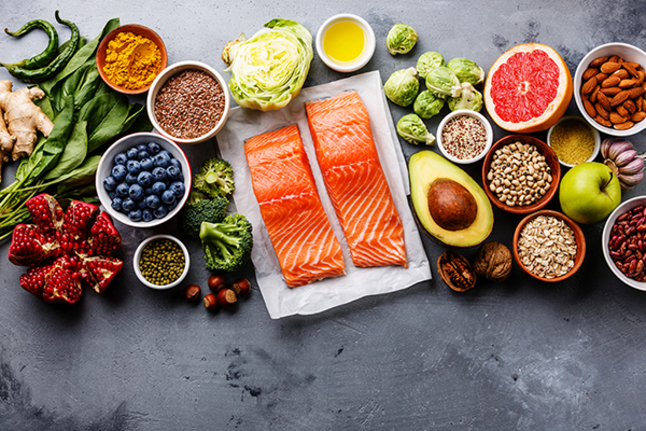
A resilient immune system doesn’t come from supplements alone—it’s built daily through smart food choices, balance, and consistency. What you eat fuels your body’s defenses, supports gut health, and helps manage inflammation. Below are practical, science-backed diet tips to strengthen immunity and improve overall health naturally.
Why Diet Plays a Key Role in Immunity
Your immune system relies on a steady supply of vitamins, minerals, antioxidants, and energy. Poor nutrition can weaken immune responses, while a nutrient-dense diet helps your body fight infections and recover faster.
Key benefits of an immunity-supporting diet include:
- Better resistance to common illnesses
- Reduced chronic inflammation
- Improved gut and metabolic health
- Faster recovery and sustained energy levels
Focus on Whole, Nutrient-Dense Foods
Whole foods provide a natural combination of nutrients that work together more effectively than isolated components.
Best choices to prioritize
- Fresh fruits and vegetables (leafy greens, berries, citrus)
- Whole grains (brown rice, oats, quinoa)
- Lean proteins (eggs, legumes, fish, poultry)
- Healthy fats (olive oil, nuts, seeds, avocados)
These foods supply phytonutrients and antioxidants that help protect immune cells from damage.
Strengthen Immunity With Key Micronutrients
Certain nutrients are especially important for immune defense and cell repair.
Essential immunity-supporting nutrients
- Vitamin C – supports white blood cell function
- Vitamin D – regulates immune response and inflammation
- Zinc – helps immune cells develop and communicate
- Vitamin A – maintains healthy skin and mucosal barriers
Include foods like citrus fruits, eggs, fatty fish, carrots, sweet potatoes, and seeds to meet these needs naturally.
Support Gut Health With Probiotic and Fiber-Rich Foods
A large portion of immune activity occurs in the gut. A healthy microbiome strengthens immunity and reduces inflammation.
Foods that nourish gut bacteria
- Probiotics: yogurt, kefir, fermented vegetables
- Prebiotics (fiber): onions, garlic, bananas, oats, legumes
A fiber-rich diet also improves digestion and supports stable blood sugar levels.
Choose Protein Wisely for Immune Repair
Protein is vital for building antibodies and repairing tissues.
Smart protein sources
- Fish and seafood
- Lentils, beans, and chickpeas
- Eggs and low-fat dairy
- Nuts and seeds
Aim for balanced protein intake across meals rather than consuming it all at once.
Stay Hydrated to Keep Defenses Strong
Water supports circulation, nutrient delivery, and toxin removal—all crucial for immune efficiency.
Healthy hydration tips
- Drink water consistently throughout the day
- Include herbal teas and water-rich foods
- Limit sugary drinks and excessive caffeine
Proper hydration also helps regulate body temperature and maintain energy.
Limit Foods That Weaken Immunity
Some foods can promote inflammation and suppress immune function when consumed frequently.
Reduce intake of
- Highly processed foods
- Excess added sugars
- Trans fats and refined oils
- Excessive alcohol
Moderation matters—occasional treats won’t derail health, but daily habits do.
Build Sustainable Eating Habits
Consistency beats perfection. Small, repeatable choices create lasting benefits.
Simple habits to adopt
- Plan meals around vegetables
- Eat mindfully and avoid overeating
- Maintain regular meal times
- Pair diet with sleep and physical activity
Strong immunity is the result of long-term lifestyle alignment, not quick fixes.
Frequently Asked Questions (FAQs)
1. Can diet alone prevent illnesses completely?
Diet significantly supports immunity, but it works best alongside sleep, stress management, and hygiene—not as a standalone shield.
2. Are immunity-boosting supplements necessary?
Most people can meet their needs through food, but supplements may help in cases of deficiency or limited dietary access.
3. How long does it take for diet changes to improve immunity?
Some benefits appear within weeks, while deeper immune resilience builds over months of consistent habits.
4. Does skipping meals weaken the immune system?
Frequent meal skipping may reduce nutrient intake and energy availability, potentially affecting immune function over time.
5. Are plant-based diets good for immunity?
Yes, when well-planned. They are rich in antioxidants and fiber but should include adequate protein, iron, and vitamin B12 sources.
6. Can spicy foods help immunity?
Spices like chili, ginger, and turmeric may reduce inflammation and support circulation, but they are supportive—not curative.
7. Is immunity affected by eating at irregular times?
Irregular eating patterns can disrupt metabolism and gut health, which may indirectly influence immune balance.
A strong immune system is built one meal at a time. By choosing nourishing foods, staying hydrated, and maintaining balance, you give your body the tools it needs to protect and heal itself naturally.