

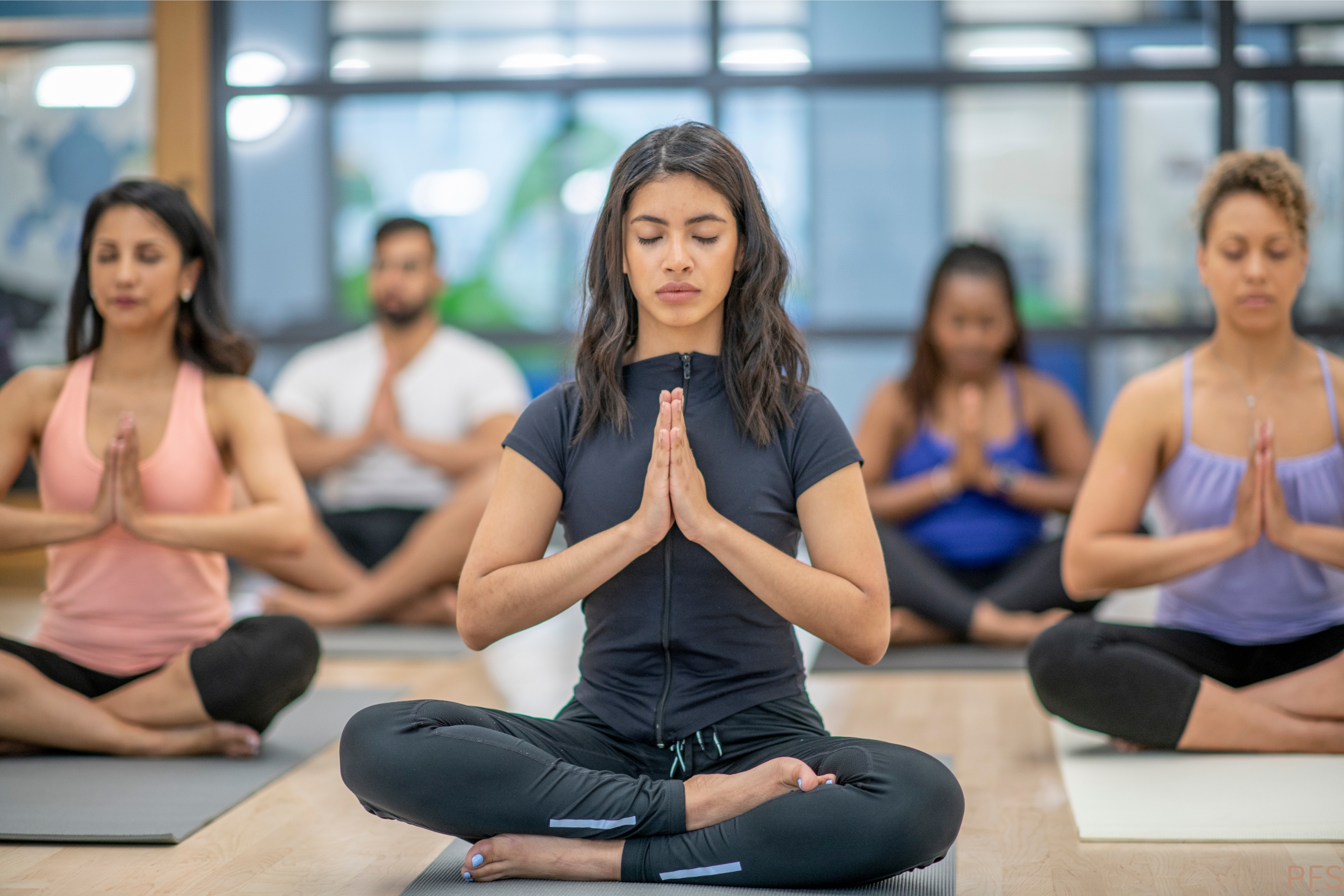
In an age where stress, sedentary lifestyles, and mental overload have become the norm, yoga stands out as a time-tested practice for holistic health. Far more than physical exercise, yoga integrates the body, mind, and breath, creating balance and resilience from within. Its relevance today lies in its ability to address health not in fragments, but as a complete, interconnected system.
Understanding Holistic Health
Holistic health focuses on overall well-being rather than isolated symptoms. It recognizes that physical fitness, mental clarity, emotional stability, and even lifestyle habits influence one another.
Yoga naturally aligns with this philosophy by combining:
- Physical movement (asanas)
- Breath control (pranayama)
- Mental awareness and relaxation
Together, these elements cultivate harmony instead of merely treating discomfort.
Physical Benefits That Go Beyond Flexibility
While yoga is often associated with flexibility, its physical benefits extend much further. Regular practice strengthens muscles, improves posture, and supports joint health without excessive strain.
Key physical advantages include:
- Improved strength and balance, especially core stability
- Enhanced mobility and joint lubrication, reducing stiffness
- Better circulation, supporting cardiovascular health
- Improved digestion and metabolism through mindful movement
Unlike high-impact workouts, yoga adapts to all ages and fitness levels, making it sustainable for long-term health.
Mental Clarity and Emotional Balance
One of yoga’s most powerful contributions to holistic health is its effect on the mind. By linking breath with movement, yoga trains attention and calms mental noise.
Consistent practice can help:
- Reduce stress and anxiety by calming the nervous system
- Improve focus and concentration, supporting productivity
- Enhance emotional regulation, leading to greater self-awareness
- Promote better sleep quality, essential for recovery and mood
This mental balance often carries over into daily life, improving decision-making and emotional resilience.
The Role of Breath in Overall Wellness
Breathing is automatic, yet often shallow and inefficient. Yoga emphasizes conscious breathing, which directly influences physical and mental states.
Benefits of yogic breathing include:
- Lowered stress response by activating relaxation pathways
- Improved lung capacity and oxygen intake
- Better energy regulation, reducing fatigue
- Support for heart health through steady rhythms
Learning to breathe mindfully can transform how the body responds to challenges, both physical and emotional.
Yoga as Preventive Healthcare
Rather than reacting to illness, yoga encourages prevention through balance. By maintaining flexibility, strength, and mental calm, it reduces the likelihood of lifestyle-related issues.
Yoga supports prevention by:
- Encouraging regular movement without burnout
- Reducing chronic stress, a root cause of many conditions
- Promoting mindful habits, including healthier eating and rest
- Improving body awareness, helping detect imbalances early
This proactive approach makes yoga a valuable complement to modern healthcare.
Creating a Sustainable Lifestyle Practice
Yoga is not confined to a mat. Its principles—mindfulness, discipline, and balance—extend into everyday life. Over time, practitioners often notice improvements in how they manage time, relationships, and personal well-being.
What makes yoga sustainable:
- It requires minimal equipment and space
- Practices can be short or long, gentle or dynamic
- It evolves with the individual’s needs and abilities
- It supports consistency rather than extremes
This adaptability ensures that yoga remains relevant through every stage of life.
Why Yoga Fits Modern Life So Well
Despite its ancient roots, yoga addresses modern challenges remarkably well. Long hours of sitting, constant screen exposure, and high stress demand a practice that restores both body and mind.
Yoga offers:
- A counterbalance to sedentary routines
- A structured pause in overstimulated days
- Tools for self-care that are simple yet effective
In a fast-paced world, yoga provides space to slow down without losing momentum.
Conclusion
Yoga is essential for holistic health because it treats the individual as a whole, not a collection of parts. By strengthening the body, calming the mind, and regulating the breath, yoga creates a foundation for long-term well-being. Its preventive, adaptable, and integrative nature makes it one of the most effective practices for achieving balance in modern life.
Frequently Asked Questions (FAQs)
1. How often should yoga be practiced for holistic health benefits?
Practicing yoga 3–5 times a week is ideal, though even short daily sessions can offer noticeable benefits over time.
2. Can yoga replace other forms of exercise?
Yoga can be a complete practice for many people, but it can also complement strength training or cardio depending on individual goals.
3. Is yoga suitable for beginners with no fitness background?
Yes, yoga is highly adaptable and can be modified for all fitness levels, including complete beginners.
4. How long does it take to notice the benefits of yoga?
Some benefits, like reduced stress and improved flexibility, may appear within weeks, while deeper changes develop with consistent practice.
5. Does yoga help with posture and back health?
Yes, yoga strengthens postural muscles, increases spinal mobility, and encourages body awareness that supports healthy alignment.
6. Can yoga improve emotional well-being?
Yoga supports emotional balance by reducing stress hormones and increasing mindfulness, leading to better emotional regulation.
7. Is yoga more effective when practiced in the morning or evening?
Both times are beneficial; mornings can energize the body, while evenings help release tension and promote relaxation.