

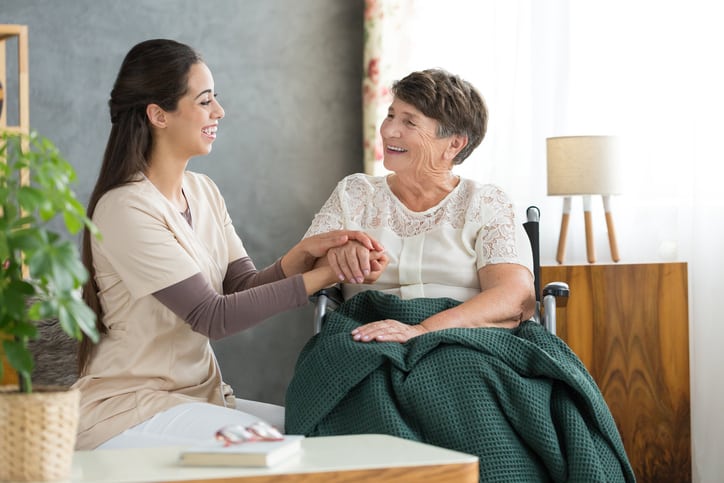
Modern healthcare is not limited to hospitals and clinics. For many families, in-home care has become an essential part of maintaining independence, comfort, and safety while ensuring access to professional support. Whether it is for seniors, individuals recovering from illness, or people managing chronic conditions, receiving help within the home environment creates a balance between health needs and personal dignity. Families seeking reliable solutions often explore trusted services where they can learn more about tailored care options.
Why In-Home Health Support Matters
In-home care addresses a growing demand for personalized assistance that adapts to each individual’s lifestyle. Unlike clinical settings that follow standard protocols, home care offers flexibility while still providing professional oversight. This combination allows individuals to remain in familiar surroundings without sacrificing their safety or well-being.
Families benefit from peace of mind, knowing that trained caregivers are monitoring health concerns while offering companionship and support with daily tasks. This model of care also reduces unnecessary hospital visits and promotes recovery within a familiar and less stressful environment.
Key Services Offered Through In-Home Care
In-home health support covers a wide spectrum of services, ranging from medical monitoring to companionship. Depending on the needs of the individual, care plans can include:
-
Personal Care Assistance: Help with bathing, dressing, grooming, and mobility support to ensure comfort and safety.
-
Medication Management: Proper scheduling and reminders to avoid missed or incorrect doses.
-
Meal Preparation and Nutrition Guidance: Support with cooking healthy meals that meet dietary needs.
-
Chronic Condition Management: Monitoring symptoms of conditions such as diabetes, arthritis, or heart disease.
-
Post-Surgery Recovery Care: Assistance with wound care, mobility exercises, and ensuring compliance with physician instructions.
-
Companionship and Emotional Support: Engaging in conversations, activities, and providing reassurance to prevent isolation.
-
Light Housekeeping: Support in maintaining a safe and organized living environment.
Each service is designed to meet the physical, emotional, and psychological needs of individuals, ensuring that their health is supported holistically.
The Health Benefits of Receiving Care at Home
Research consistently highlights the benefits of in-home care for physical and mental health. Beyond the convenience, it has measurable effects on recovery outcomes and quality of life.
Promotes Faster Recovery
People often heal more quickly when they recover in a familiar and comfortable environment. Stress levels are reduced at home, which supports immune system function and aids recovery.
Reduces Risk of Hospital Readmission
For individuals recently discharged from the hospital, proper follow-up care is critical. In-home caregivers ensure that medications are taken correctly and follow-up appointments are not missed, lowering the risk of complications and readmissions.
Improves Mental Health
Social isolation can lead to depression and anxiety, particularly among older adults. Regular interaction with caregivers offers emotional stability, which directly influences mental well-being.
Supports Independence
Many people fear losing independence as they age or face illness. In-home care provides just the right level of support, allowing individuals to remain active participants in their daily routines.
The Role of Family in In-Home Care
Family members play a significant role in the success of in-home care. Caregivers often work in collaboration with relatives to build trust and create care plans that align with both medical requirements and personal preferences.
Open communication between families and caregivers ensures that the individual’s needs are continuously evaluated and adjusted as health conditions evolve. This shared responsibility lightens the burden on family members while still keeping them actively involved in decision-making.
Technology in Modern In-Home Care
Advancements in healthcare technology have made in-home care more effective than ever before. Devices such as wearable monitors, telehealth platforms, and medication reminder apps enhance the ability to track health metrics in real time.
For example, blood pressure monitors and glucose trackers can instantly share readings with both caregivers and healthcare providers. This reduces delays in addressing emerging health issues and allows for more proactive interventions. Technology, when combined with personal care, ensures a higher standard of safety and responsiveness.
How In-Home Care Supports Aging in Place
One of the primary reasons families choose in-home care is the desire for seniors to “age in place.” This concept refers to the ability of older adults to live in their own homes for as long as possible while receiving the necessary support.
Aging in place provides seniors with stability and control over their environment, helping them maintain a sense of identity and comfort. Caregivers play a crucial role in making this possible by adapting services as needs change, whether that involves mobility support, specialized dementia care, or ongoing companionship.
Cost Considerations and Long-Term Planning
Cost is an important factor for families evaluating care options. While in-home care may initially appear costly, it often proves more affordable than long-term residential facilities, especially when care is tailored only to the required hours and services.
Families should also view in-home care as an investment in both health and quality of life. Preventing hospital readmissions, supporting recovery, and reducing stress for family caregivers contribute to overall savings in the long run.
Planning ahead with flexible care solutions ensures that as needs evolve, services can expand without requiring sudden, disruptive changes in living arrangements.
Choosing the Right Care Plan
Selecting a suitable in-home care plan requires careful evaluation. Families should assess:
- The individual’s specific medical needs and daily living challenges
- The level of independence desired by the person receiving care
- The frequency and intensity of care required
- Compatibility between the caregiver and the client
- Opportunities to adjust services as health conditions evolve
Professional consultation helps families create a balanced plan that meets both medical and emotional needs.
Building Trust and Relationships
In-home care is more than just professional support; it is about building trust and forming meaningful relationships. A strong bond between caregiver and client fosters cooperation, comfort, and stability. Over time, caregivers become an extension of the family, ensuring that the individual is never alone in facing health challenges.
Frequently Asked Questions
Q. How do I know if in-home care is right for my loved one?
In-home care is ideal for individuals who want to remain at home but need assistance with daily activities, medical supervision, or companionship. If your loved one values independence but struggles with routine tasks, this option may be the right balance.
Q. Can in-home caregivers handle medical needs?
Yes, many caregivers are trained to manage chronic conditions, provide medication reminders, and support recovery after hospital stays. Some care plans also include coordination with nurses or therapists for specialized medical needs.
Q. What is the difference between short-term and long-term in-home care?
Short-term care often supports recovery after surgery, illness, or hospitalization, while long-term care provides ongoing assistance for chronic conditions or age-related challenges.
Q. How does technology improve in-home care?
Technology allows for real-time health monitoring, medication reminders, and remote communication with healthcare providers. These tools increase safety and ensure timely medical interventions.
Q. What happens if my loved one’s needs change over time?
Care plans are designed to be flexible. Families can work with providers to adjust the level of support, whether that means increasing hours, adding specialized care, or modifying services to match evolving needs.