

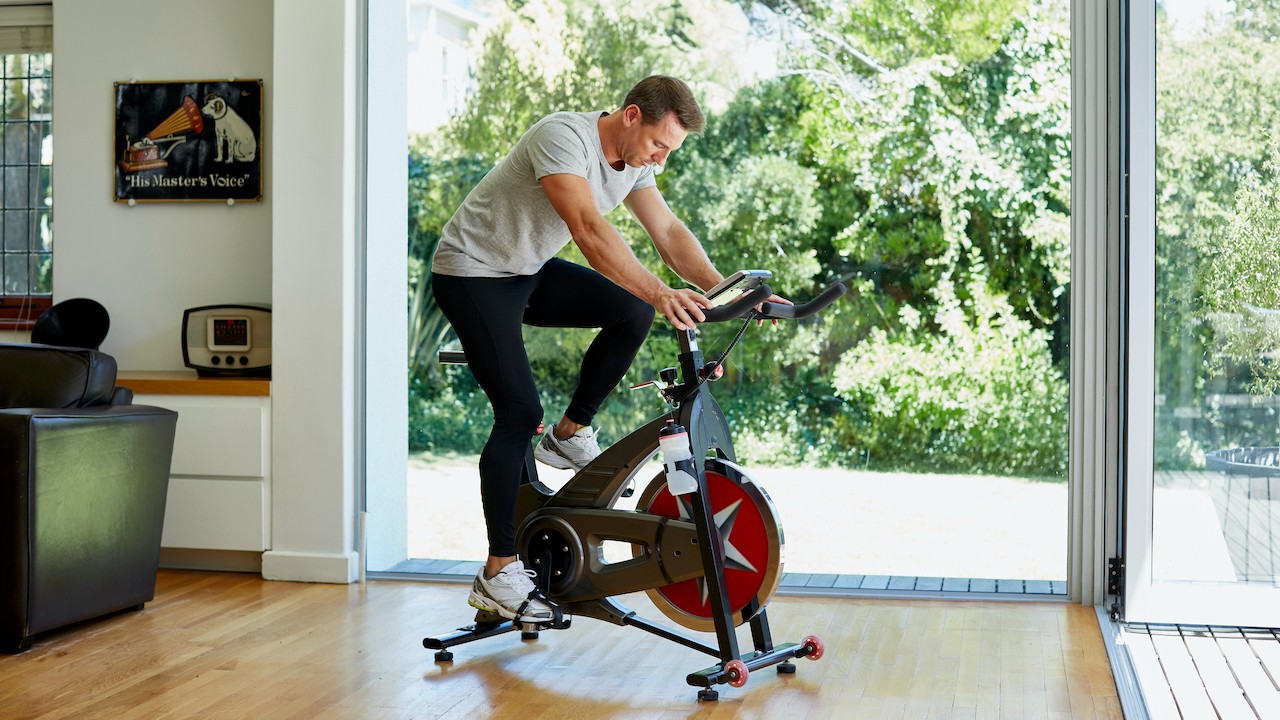
Weight management is one of the most common fitness goals in Singapore. With long office hours, high-stress environments, and frequent social dining, keeping weight under control can be challenging. Many people look for workouts that not only burn calories quickly but also deliver sustainable results. This is where indoor cycling emerges as an ideal choice. It goes beyond just torching calories during a workout session. Indoor cycling influences metabolism, body composition, and overall health in ways that make it a long-term solution for weight management.
The Calorie-Burning Power of Indoor Cycling
One of the main reasons people turn to indoor cycling is its reputation as a high-calorie-burning workout. Depending on factors such as body weight, resistance settings, and intensity level, a single 45-minute session can burn anywhere between 400 and 700 calories. This makes it one of the most efficient workouts for people looking to lose or maintain weight.
Unlike steady-state cardio, RPM™ classes are designed with intervals that combine sprints, climbs, and recovery phases. These intervals elevate heart rate into the fat-burning and aerobic zones, leading to higher energy expenditure compared to many other workout options. For time-conscious individuals, this means achieving substantial calorie burn in a short, focused session.
How Indoor Cycling Affects Metabolism
The impact of indoor cycling on weight management goes beyond immediate calorie burn. High-intensity sessions increase the body’s oxygen consumption even after the workout has ended, a phenomenon known as Excess Post-Exercise Oxygen Consumption (EPOC). This means the body continues to burn additional calories for hours after the class has finished.
In addition, cycling builds muscle endurance in the lower body and core. Since muscle tissue requires more energy to maintain compared to fat, increasing lean muscle mass through regular cycling naturally raises resting metabolic rate. Over time, this makes it easier to manage weight even when not exercising.
Body Composition and Muscle Toning
Many people assume weight management is only about the number on the scale, but body composition is just as important. Indoor cycling helps improve body composition by reducing fat percentage while strengthening key muscles.
Regular riders often notice more defined thighs, firmer glutes, and improved core stability. These changes contribute to a leaner appearance, even if the actual scale weight does not change dramatically. For women who may worry about “bulking up,” it is important to note that cycling primarily builds lean endurance muscles rather than large bulky muscles, leading to a toned physique.
Comparing Indoor Cycling with Other Weight Loss Workouts
Indoor cycling offers a unique combination of benefits that make it more effective than many other exercise choices for weight management:
-
Running: While also high in calorie burn, running places more strain on the joints, especially knees and ankles. Indoor cycling provides a safer low-impact option.
-
Weight Training: Resistance training is excellent for building muscle but often burns fewer calories during the session itself. Cycling balances both calorie expenditure and muscle engagement.
-
Walking or Yoga: Great for overall health and recovery, but slower to deliver direct weight loss results compared to cycling.
This balance of calorie burn, muscle endurance, and joint-friendly nature makes indoor cycling a well-rounded solution for those seeking efficient results.
The Role of Nutrition in Indoor Cycling Weight Management
No workout programme is complete without proper nutrition. Indoor cycling amplifies results when paired with balanced eating habits.
-
Before a Class: A light meal containing carbohydrates and protein supports energy. Examples include oatmeal with fruit or a slice of wholemeal bread with nut butter.
-
After a Class: A recovery snack with protein helps repair muscles. Options include a protein shake, Greek yoghurt with berries, or grilled chicken with vegetables.
-
Long-Term Habits: Maintaining a calorie deficit for fat loss or balance for weight management ensures cycling efforts are maximised.
Hydration is equally important. Singapore’s humidity can lead to rapid fluid loss, so bringing water to every class is essential.
Indoor Cycling for Long-Term Weight Management
Weight management is not just about short-term results. Sustainability is key. Indoor cycling offers several features that make it suitable for the long haul:
-
Consistency: Classes are scheduled at regular intervals, helping people commit to a routine.
-
Motivation: Music-driven sessions and group energy keep participants engaged.
-
Variety: Changing tracks and instructor-led variations prevent boredom.
-
Adaptability: Riders can adjust resistance and intensity to match their evolving fitness levels.
Together, these factors mean that cycling does not just help shed weight, it helps keep it off through consistent practice.
Psychological Benefits that Support Weight Loss
Managing weight is not only physical, it is also psychological. Indoor cycling offers mental benefits that support long-term success. The release of endorphins reduces stress, a common cause of overeating. Group sessions build community, offering encouragement and accountability.
For busy Singaporeans, this positive psychological reinforcement can make the difference between quitting a programme and sticking with it. Feeling energised after each class builds the motivation needed to maintain healthier eating and lifestyle choices.
Why True Fitness Is a Leading Choice for Indoor Cycling
For those looking to achieve weight management goals, facilities such as True Fitness provide an elevated experience. Their RPM™ classes are structured to maximise calorie burn while ensuring safe, sustainable progress. Professional instructors guide participants through scientifically designed workouts that balance challenge with enjoyment.
Beyond cycling, True Fitness also provides a comprehensive environment with other fitness options, personal training, and recovery areas. This makes it easier for members to integrate cycling into a holistic fitness and wellness journey.
Real Experiences from Regular Riders
Members often share powerful testimonials about weight management success through indoor cycling. A young professional shared that attending three classes weekly helped her lose nearly 6 kilograms over four months while building noticeable muscle tone in her legs. Another member emphasised how combining cycling with mindful eating allowed him to reduce belly fat without feeling deprived.
These experiences highlight how indoor cycling, when paired with consistency and proper lifestyle choices, delivers real, measurable results.
FAQs About Indoor Cycling and Weight Management
Q. How many indoor cycling classes per week are best for weight loss?
For weight management, 3 to 4 classes per week are ideal. Beginners can start with 2 classes and gradually increase frequency.
Q. Can indoor cycling alone help me lose weight?
Yes, but results are faster and more sustainable when combined with a balanced diet and strength training.
Q. Does indoor cycling reduce belly fat?
Indoor cycling burns overall body fat, which includes abdominal fat. Over time, with consistent training and proper nutrition, reductions in belly fat become noticeable.
Q. How quickly can I expect results?
Visible changes in body composition can be seen within 6 to 8 weeks of regular training combined with healthy eating habits.
Q. Is indoor cycling suitable for overweight beginners?
Yes, it is an excellent starting workout as it is low impact and can be customised by adjusting resistance and pace.