

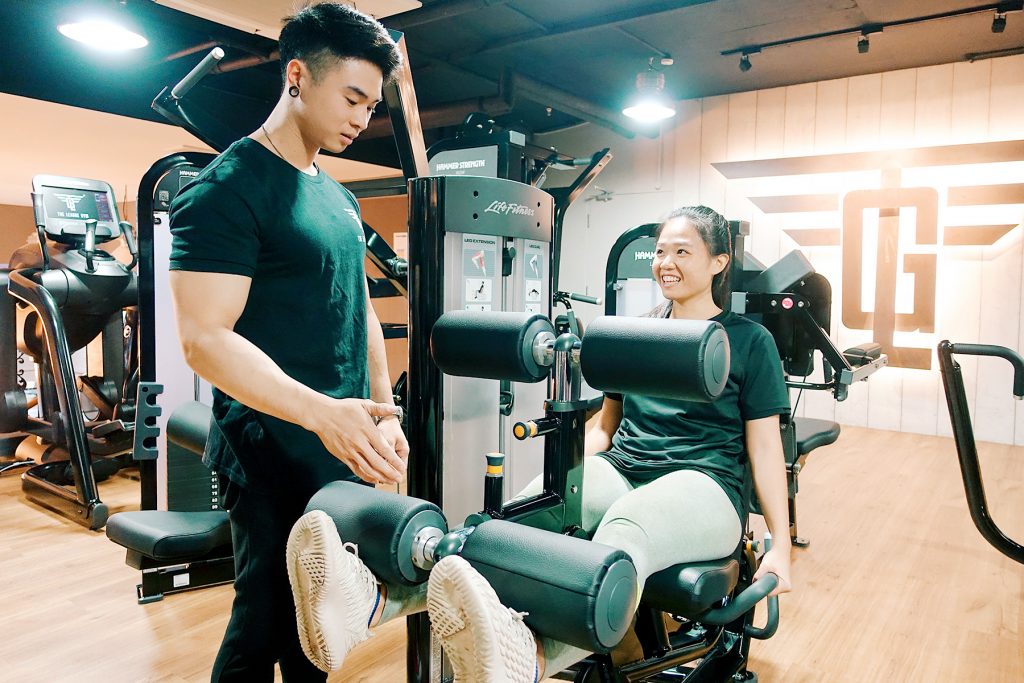
Why Recovery Is Now a Priority in Fitness
Fitness isn’t just about lifting heavier or running faster. It’s also about how well you recover after training, both physically and mentally. In recent years, recovery has become a crucial factor for people choosing where to train. The best gym in Singapore doesn’t just focus on burning calories or building muscle, it pays attention to how your body heals, restores, and improves in the downtime between workouts.
Recovery-centric gyms understand that rest and regeneration are key components of performance. Whether you’re an athlete, office worker, or new to the gym scene, the facilities supporting your recovery play a significant role in how often and effectively you train.
What Counts as Recovery in a Gym Setting?
In the past, recovery was limited to post-workout stretching or a cold shower. Today, it includes a range of services and amenities that cater to every aspect of well-being.
Modern recovery features include:
-
Foam rollers and mobility tools in designated stretching areas
-
Infrared saunas or steam rooms to relax muscles and detox
-
Sports massage therapy to address soreness and stiffness
-
Hydrotherapy pools for low-impact relaxation
-
Cryotherapy chambers for advanced muscle repair
-
Guided cooldown classes, such as yin yoga or stretch sessions
These aren’t just luxury extras. They directly influence your body’s ability to repair muscle fibres, reduce inflammation, and improve circulation, all of which support better long-term results.
How Recovery Tools Prevent Injuries
Many injuries occur not because of overexertion alone, but due to inadequate recovery. Sore muscles, tight joints, and fatigue create a dangerous combination that can lead to strains or sprains. By investing in a gym that integrates recovery into its daily operations, you reduce the risk of overtraining.
For example, having access to foam rollers and massage guns immediately after a strength session helps break down muscle knots and restore elasticity. This not only speeds up healing but also improves range of motion for the next session.
Mental Recovery: The Hidden Gem
One of the most overlooked aspects of gym recovery is mental rejuvenation. After an intense session, your nervous system can remain overstimulated, especially if you transition straight back into a stressful work or home environment.
Gyms like TFX Singapore recognise this by creating calm, quiet areas where members can unwind. Ambient lighting, silence zones, or guided breathwork sessions can help you reset mentally, not just physically.
This form of recovery boosts:
-
Focus and clarity
-
Sleep quality
-
Emotional regulation
-
Motivation to train again
It’s why recovery areas matter just as much as squat racks and treadmills.
The Singaporean Context: Stress, Time and Balance
In a fast-paced city like Singapore, many people are battling tight schedules, high-stress jobs, and late-night commitments. As a result, the body and mind often operate in overdrive. The best gym in Singapore is one that recognises this and builds wellness-driven experiences, not just workout programs.
Providing recovery-focused features allows working professionals and busy parents to:
-
Decompress efficiently
-
Squeeze in self-care during gym visits
-
Balance high-intensity training with active rest
Whether it’s a 10-minute steam, a short guided stretch class, or simply a moment to breathe in a lounge area, these offerings add massive value to the gym experience.
How to Evaluate a Gym’s Recovery Offering
Before joining a gym, here are important questions to ask or features to look for:
-
Are there designated recovery spaces? Look for foam rolling zones, stretching mats, and massage tools.
-
Is there post-workout support? Check if trainers recommend cooldowns or recovery plans.
-
Are amenities integrated or outsourced? In-house recovery facilities are more accessible and user-friendly than partner services located off-site.
-
Is there education around recovery? Look for posters, app content, or staff guidance on how to recover well.
A gym that offers education alongside recovery tools shows that it truly values your holistic well-being.
Real Stories: How Recovery Made a Difference
1. Vanessa, 34, Corporate Manager
“I used to push myself hard with zero cooldown. After I joined a gym with a steam room and started doing guided stretches post-HIIT, my muscle soreness reduced drastically. I now train more consistently without burnout.”
2. Jayden, 28, Amateur Boxer
“Having access to foam rollers and massage tools helped me stay injury-free through months of intense sparring. It’s underrated how much these little things matter.”
3. Farah, 41, New Mum
“I needed a gym where I could train and relax. TFX Singapore gave me that. After weights, I chill in the lounge or use the quiet zone to reset before heading home. It’s become my recharge ritual.”
These personal experiences show that recovery isn’t just useful—it’s transformative.
How Recovery Enhances Long-Term Progress
Recovery isn’t a one-time event. It’s a consistent process that builds momentum. When your body feels good, you’re more likely to return to the gym, try new routines, and push further without injury.
Proper recovery also contributes to:
-
Better hormone regulation, especially cortisol and testosterone
-
Improved muscle growth, due to proper rest cycles
-
Stronger immune response, preventing downtime from illness
-
Mental resilience, helping you overcome plateaus
This directly supports your progress and helps sustain your fitness lifestyle.
FAQs
Q. How often should I use recovery facilities at the gym?
Ideally, every session should end with at least 10–15 minutes of active recovery. Facilities like saunas or foam rollers can be used after each workout or on rest days for better muscle care.
Q. Is recovery necessary even if I only do light workouts?
Yes. Even low-intensity exercises stress your muscles and joints. Stretching, hydration, and cooldowns support better results and reduce injury risk.
Q. Do I need to pay extra to access recovery areas?
It depends on the gym. At some places, these amenities are included in standard membership. At others, services like massage or cryotherapy may cost extra. Always clarify at the front desk.
Q. What if I don’t have time for full recovery sessions?
Even a quick 5-minute foam rolling routine or a cooldown walk on the treadmill is helpful. Consistency matters more than length.
Q. Can recovery help with sleep and stress?
Absolutely. Physical recovery, especially post-workout relaxation or sauna use, improves sleep quality and reduces cortisol levels, helping you manage daily stress better.